
JUJU Vertical Micro Dramas
Vertical Web Series.
Episodic Branded Content.
Mobile-First Drama Series.
Social-First Storytelling.
The rise of Vertical Micro Dramas is not just a content trend. It is a behaviour trend.
Audiences increasingly discover stories through platforms built around short-form viewing. Instagram Reels, YouTube Shorts, mobile entertainment platforms, and emerging drama apps have changed how stories begin and how quickly they must earn attention.
The creators who succeed are not necessarily producing shorter content. They are producing stories that make people curious enough to continue. VMDs combine the accessibility of short-form content with the emotional engagement of episodic entertainment.
For brands, platforms, publishers, and creators, that creates a rare opportunity to build audience loyalty through narrative rather than interruption.
The Discipline
Why JUJU for Vertical Micro Dramas?
JUJU approaches Vertical Micro Dramas as a storytelling discipline, not just a production format.
Many VMD projects fail before production begins because of weak story architecture. At JUJU, narrative design comes first. Character investment, escalation, cliffhanger logic, emotional payoff, and continuation behaviour are built before production scales up.
For brands and platforms, this creates a more commercially useful outcome: a Vertical Micro Drama designed not only to launch, but to retain attention, support recall, and justify future expansion.
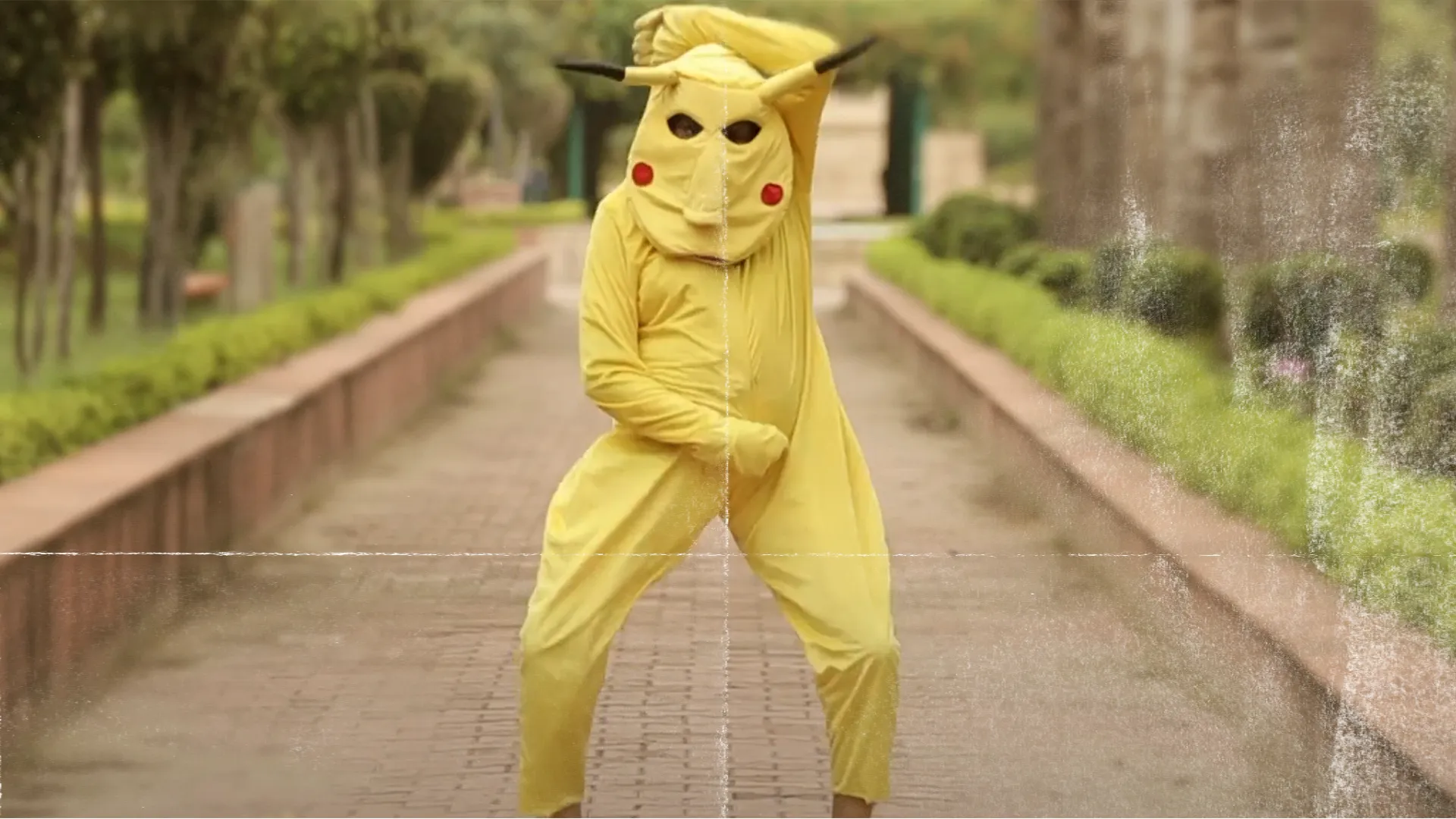
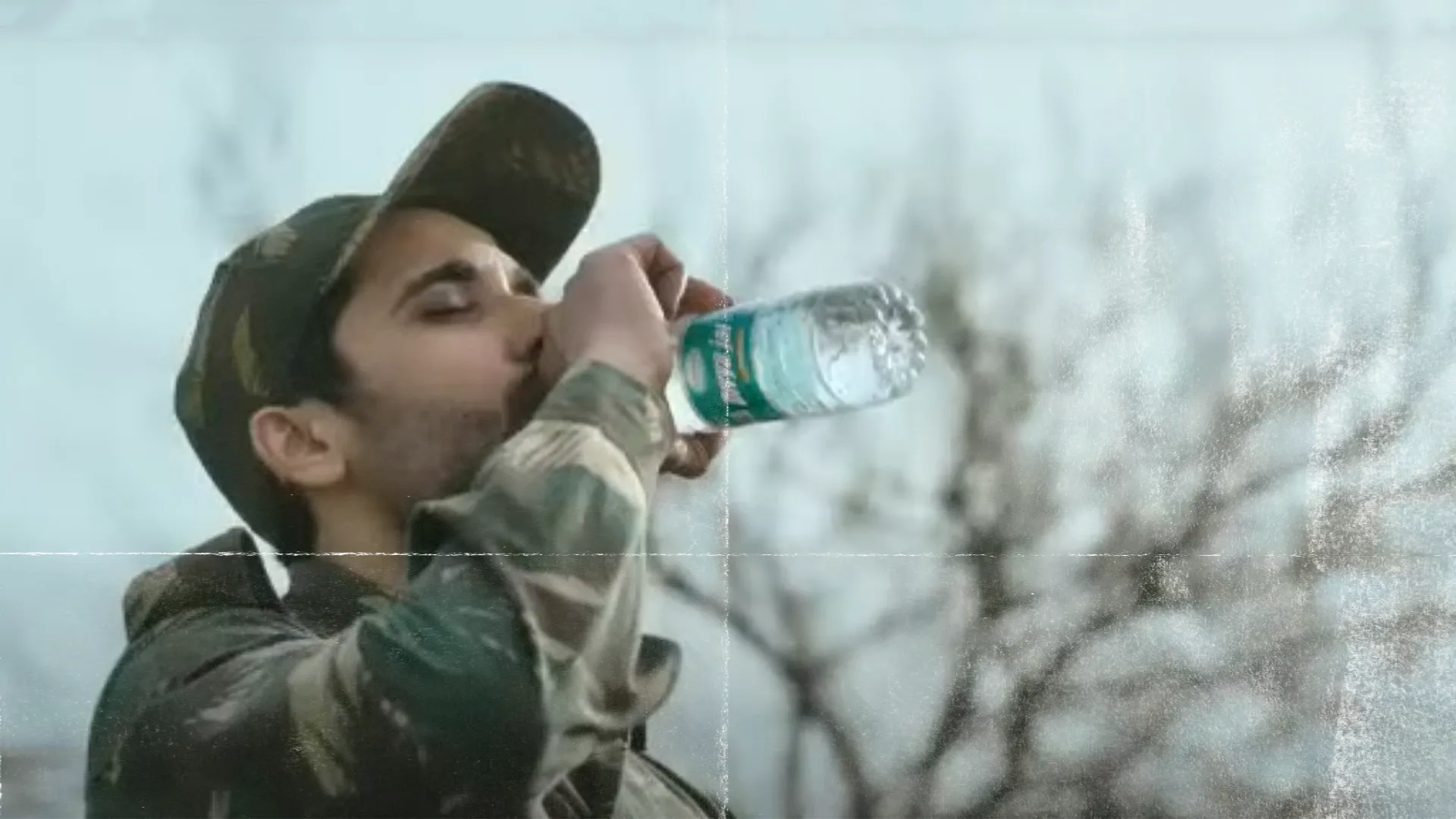
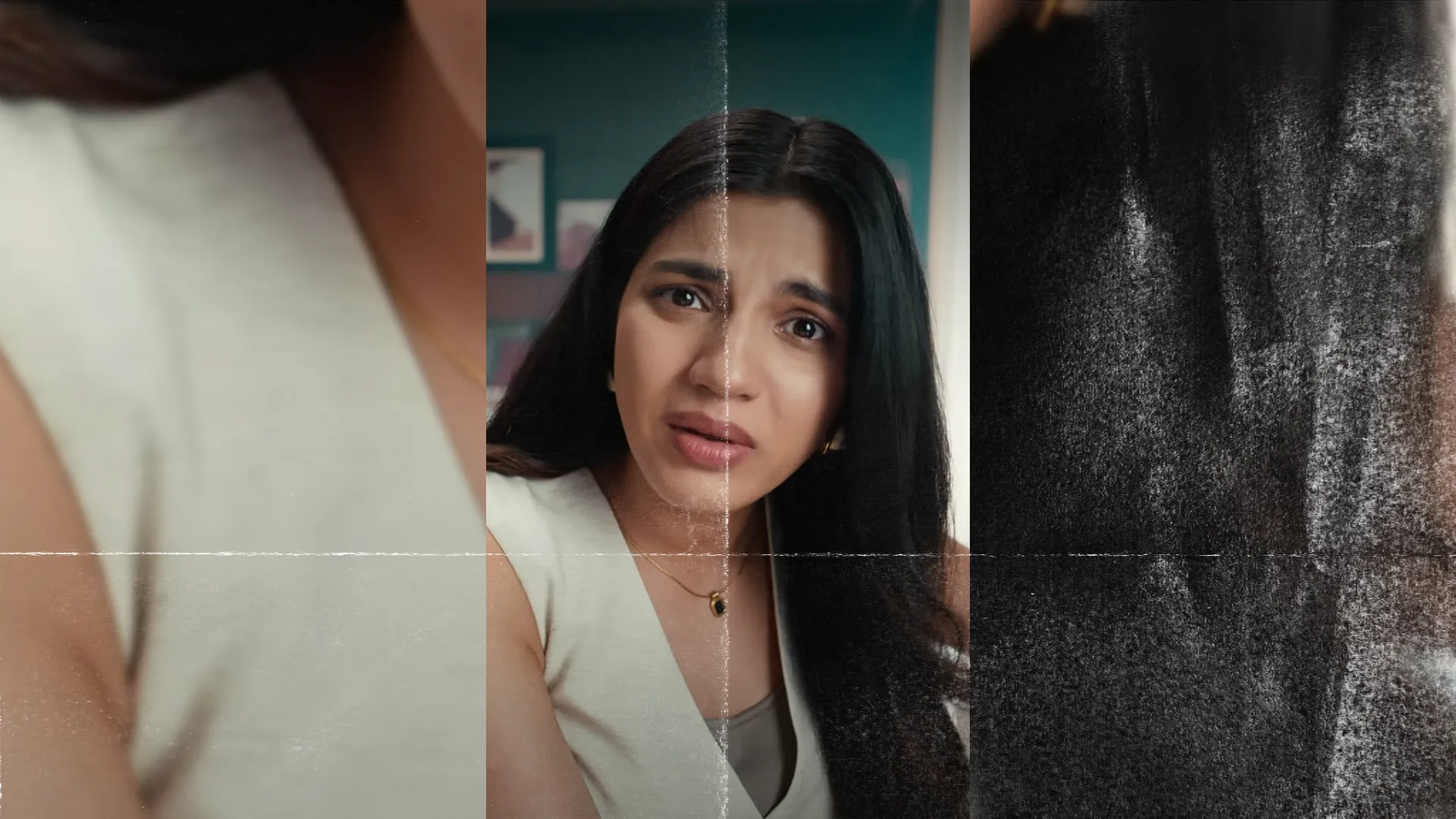
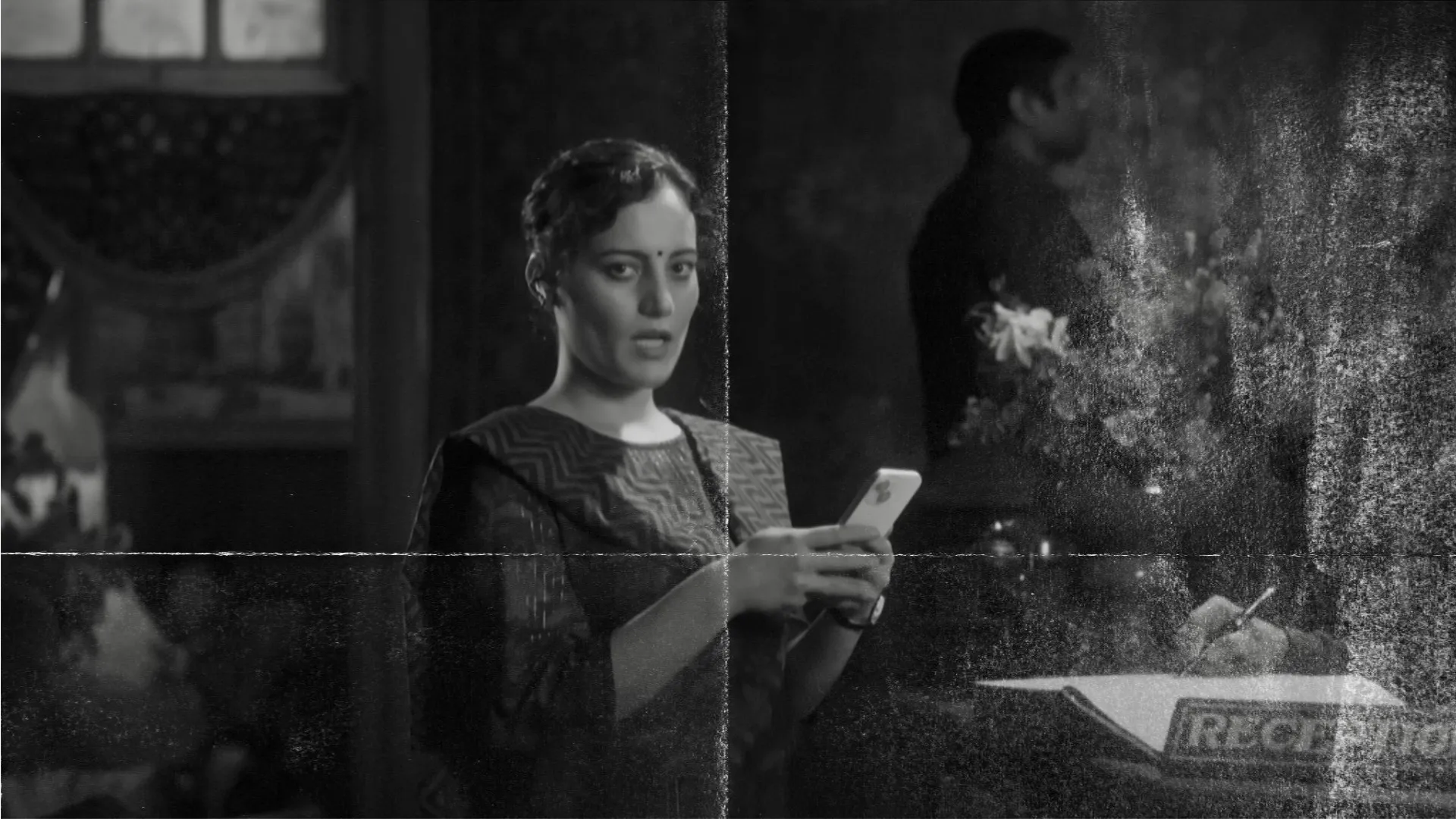
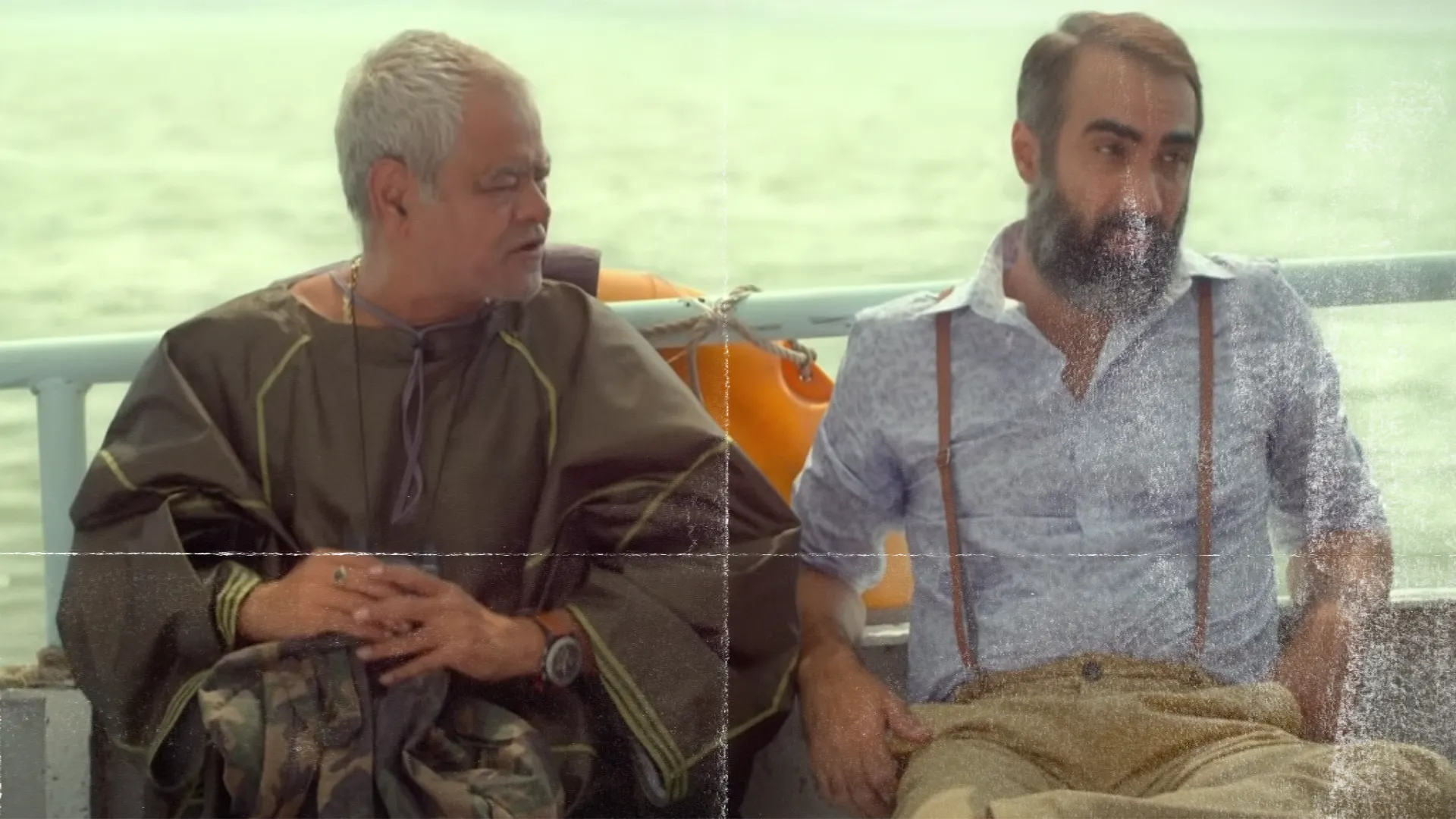
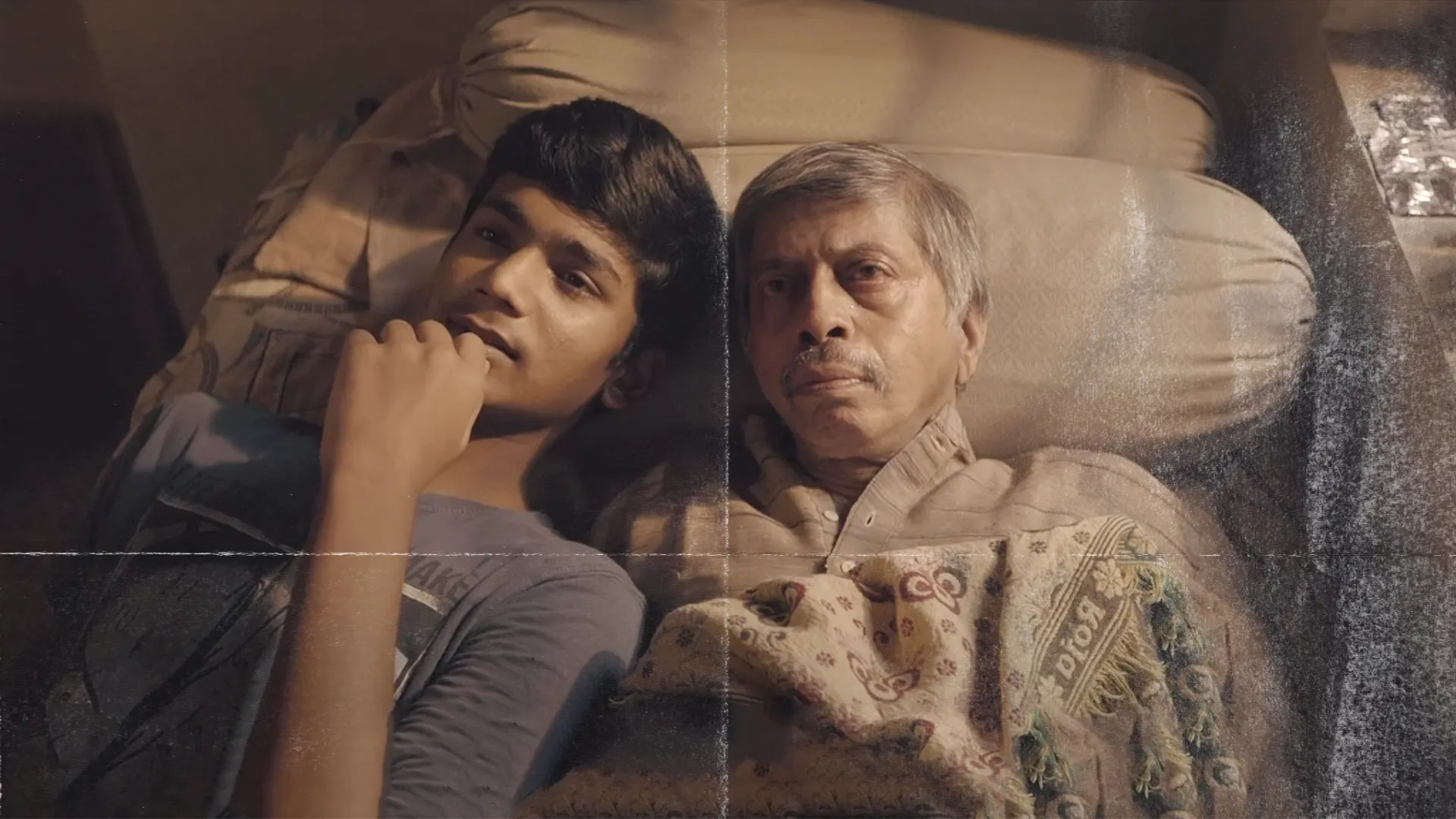
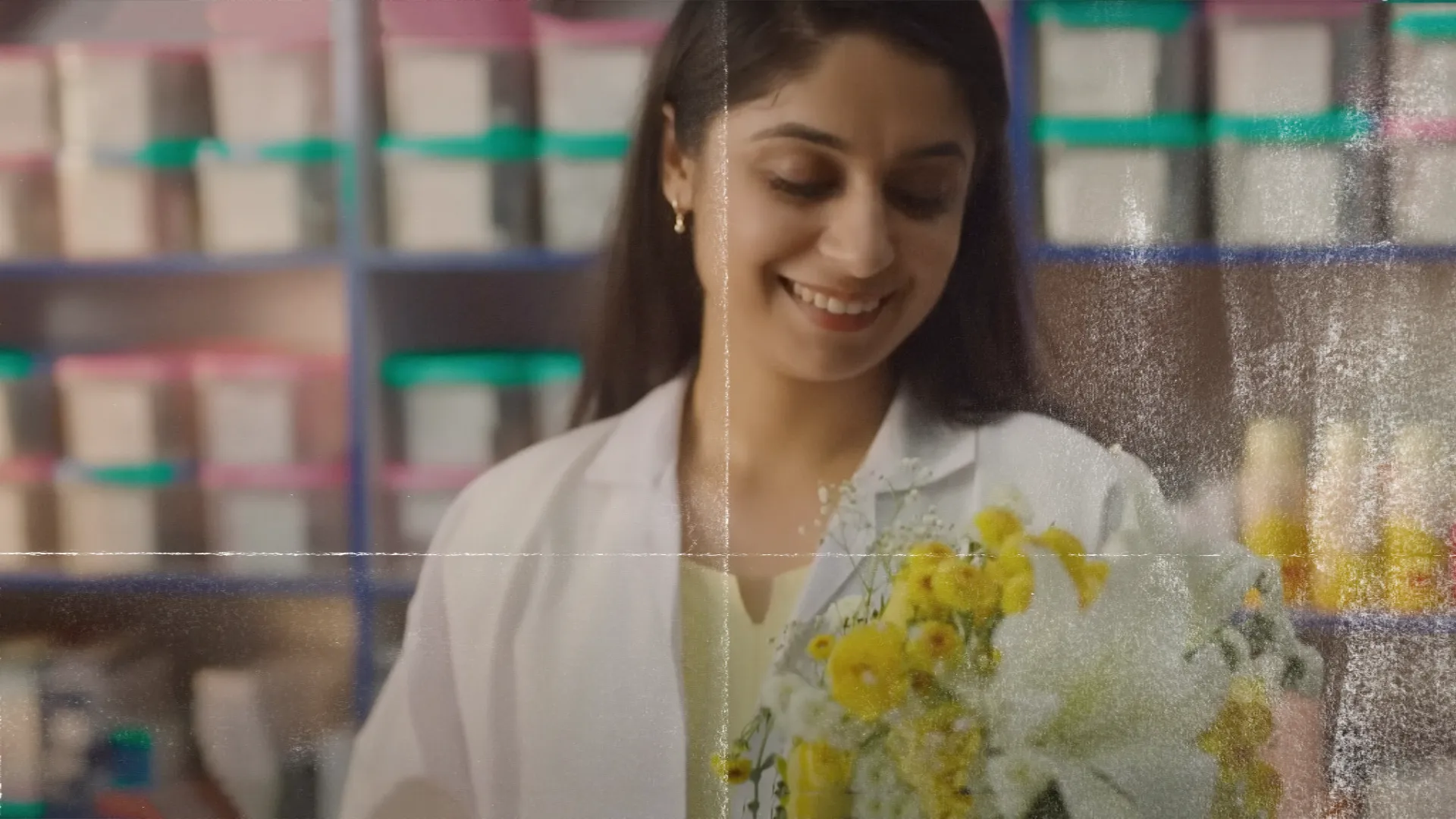
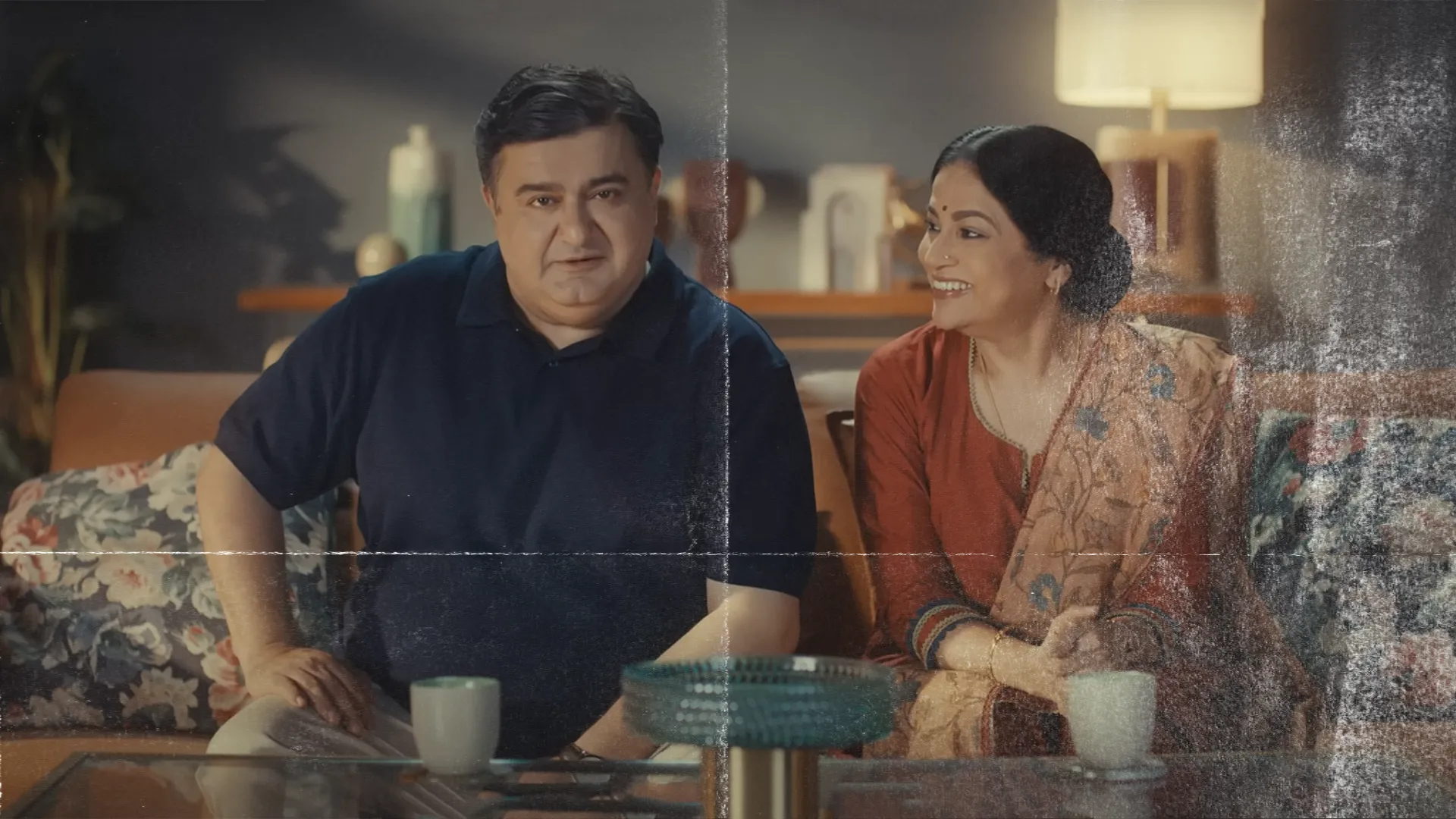
.def1e99a.webp)
Story Architecture
Most VMDs Fail Before the Camera Starts Rolling
A common misconception is that successful VMDs are created during production. They are not. Beautifully shot projects can still struggle to retain audiences. Relatively simple productions can generate remarkable engagement.
The strongest VMDs usually share four core fundamentals:
01.Characters worth following
Relatable, flawed, and compelling protagonists who grab focus immediately.
02.Tension that keeps building
Escalating stakes and emotional friction in every episode.
03.Questions that remain unanswered
Carefully calibrated curiosity gaps that drive viewers to click the next episode.
04.Emotional momentum
Climax and cliffhanger logic designed to make continuation feel impossible to ignore.
Most retention problems begin long before filming starts. That is why the process begins with story design before cameras, locations, or production schedules enter the conversation.
Why Storytelling Matters More Than Production
Production quality can attract attention. Storytelling creates loyalty.
By the time a project reaches the edit suite, many audience retention decisions have already been made. They were made during concept development, character creation, scriptwriting, and the decision about what question remains unanswered at the end of every episode.
This is where many VMD projects succeed or fail. The strongest series are engineered for audience retention long before they are filmed. At JUJU, narrative architecture comes first. Everything else supports it.
A Vertical Micro Drama Is Not A Short Advertisement
One of the biggest mistakes brands make when entering the VMD space is treating the format like a shorter version of traditional advertising. Audiences don't experience Vertical Micro Dramas as ads. They experience them as stories.
The moment the message becomes more important than the narrative, retention usually starts to fall. The strongest branded VMDs don't interrupt the story to communicate a message. They allow the message to emerge naturally through character, conflict, and emotional payoff.
Narrative Heritage
Narrative Work That Prepared JUJU for VMDs
Long before Vertical Micro Dramas became a recognised category, JUJU was already solving the same underlying challenge: how do you make people care enough to stay? Our experience across advertising, branded entertainment, and episodic storytelling has built a deep understanding of what keeps audiences emotionally engaged.
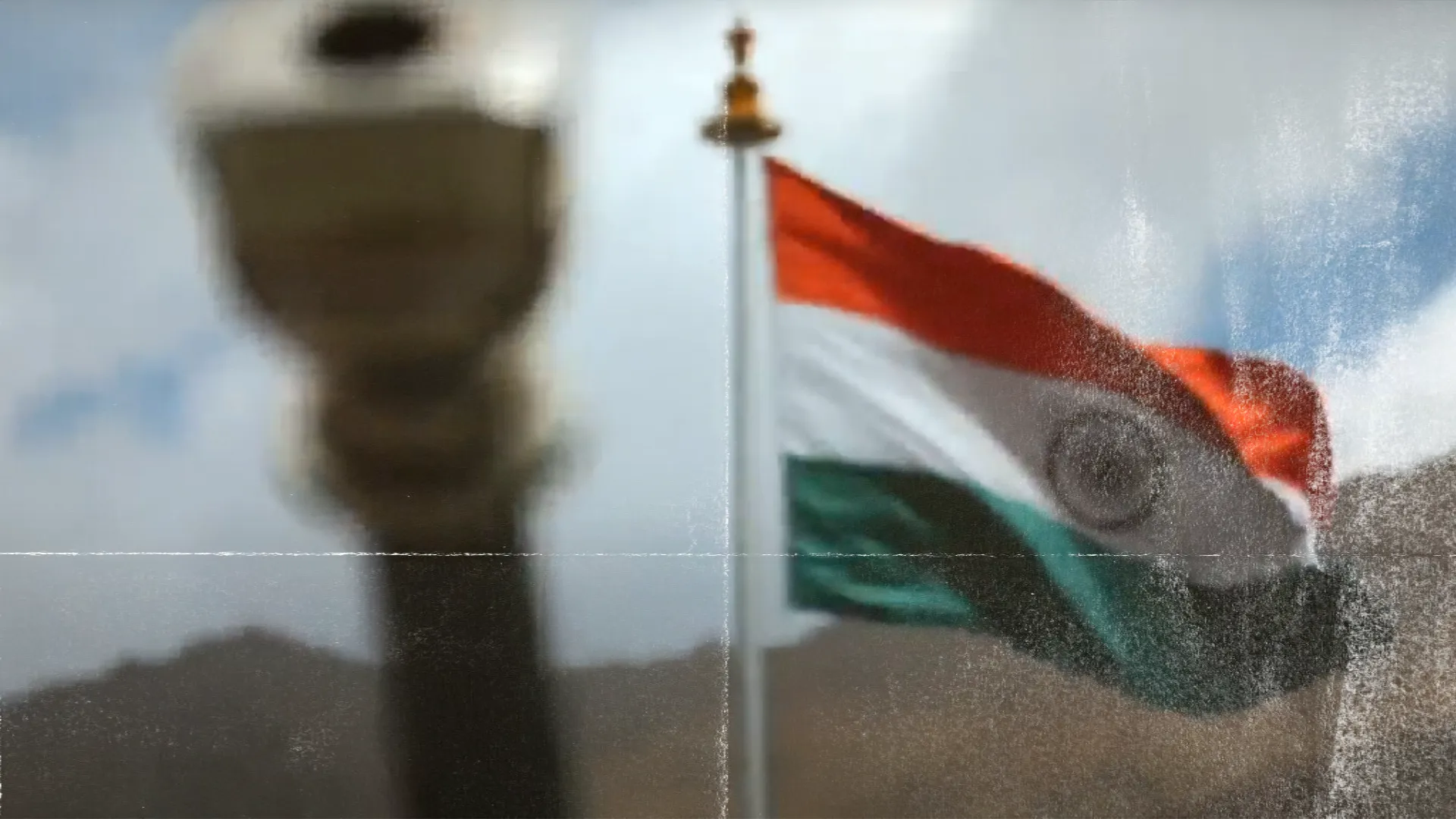
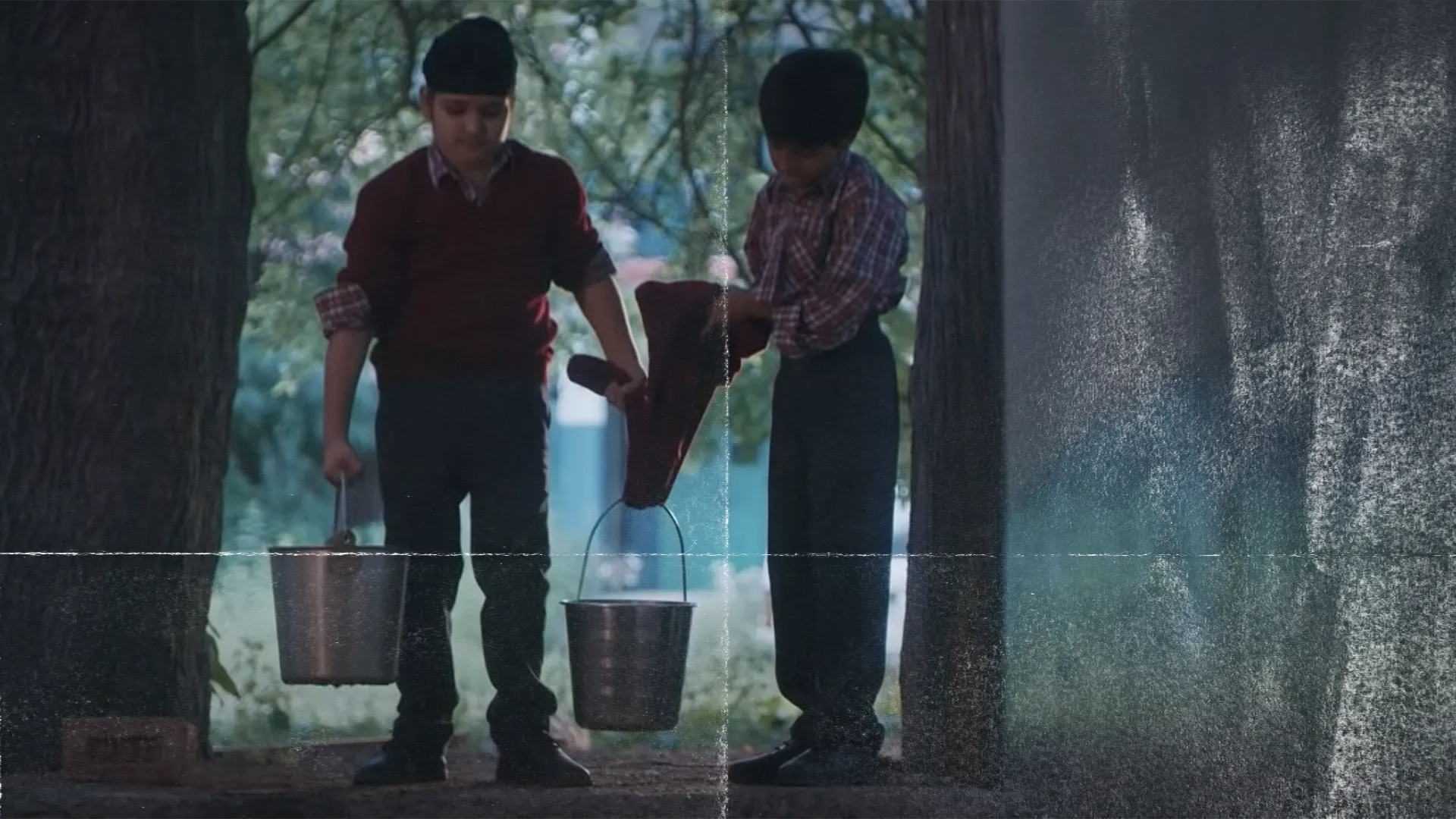
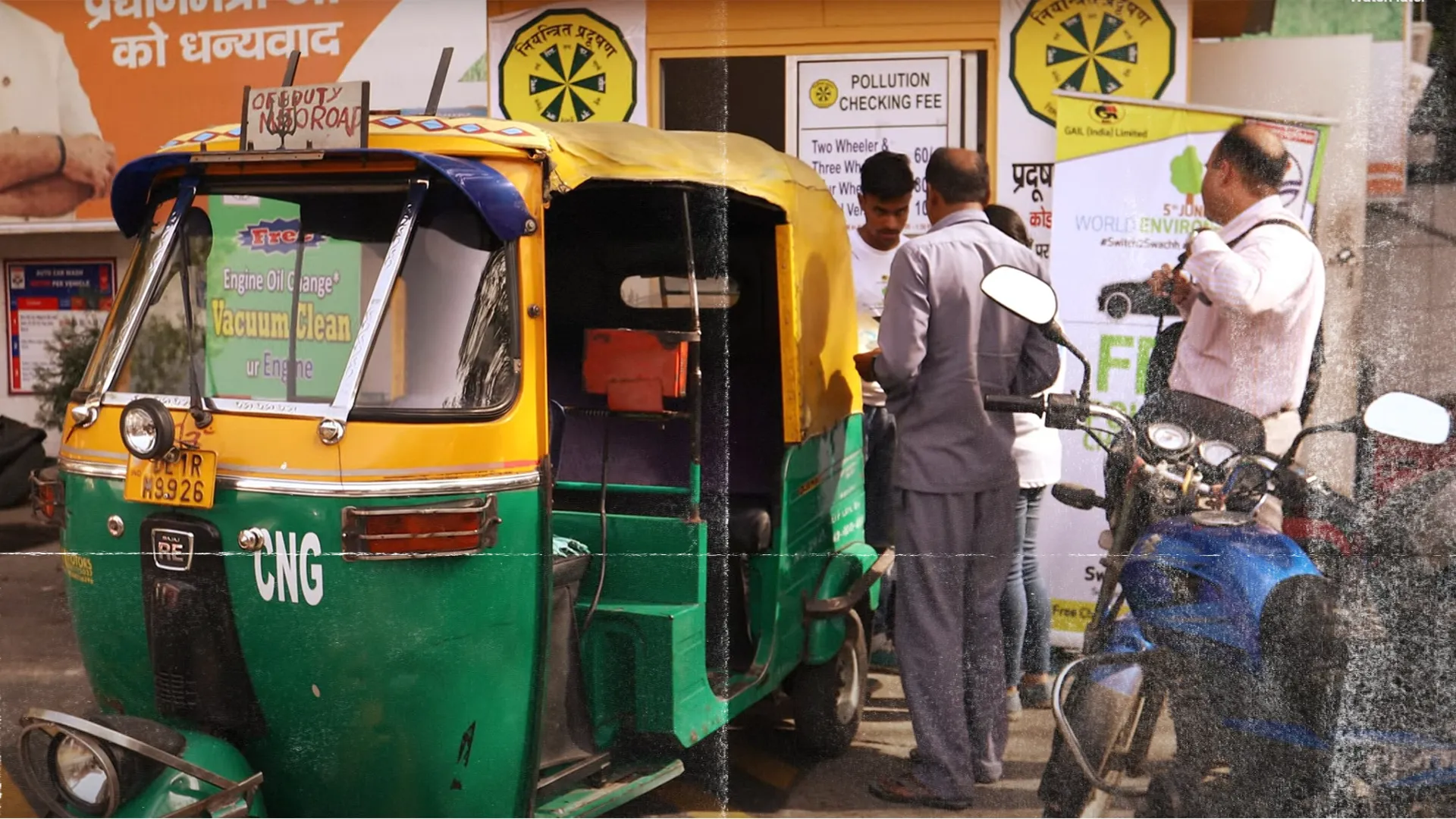
Hawa Badlo
A large-scale storytelling initiative built around behaviour change, public participation, and emotional engagement.
Insight: This kind of work strengthens understanding of how stories can shift behaviour, not just generate visibility.
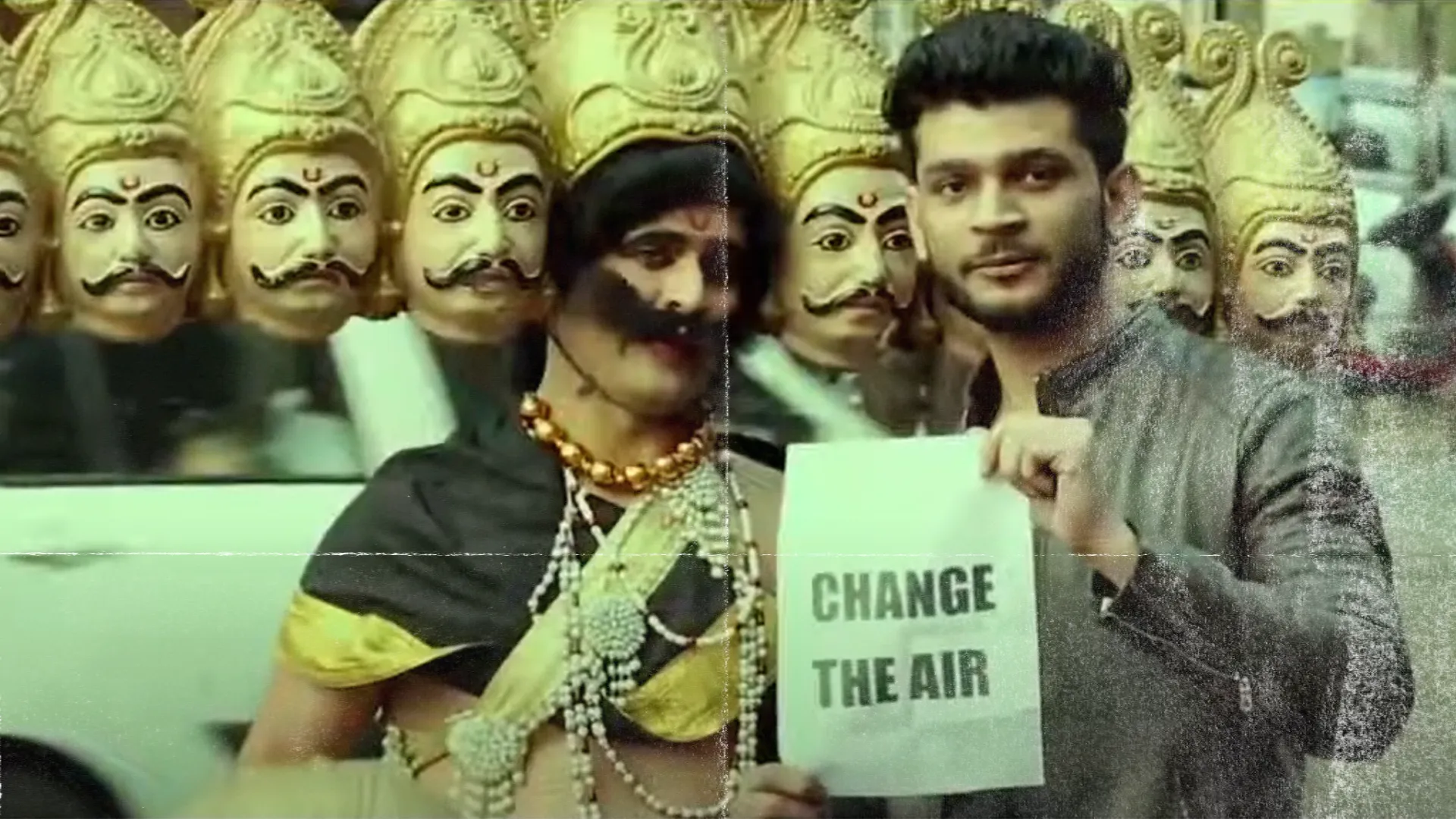
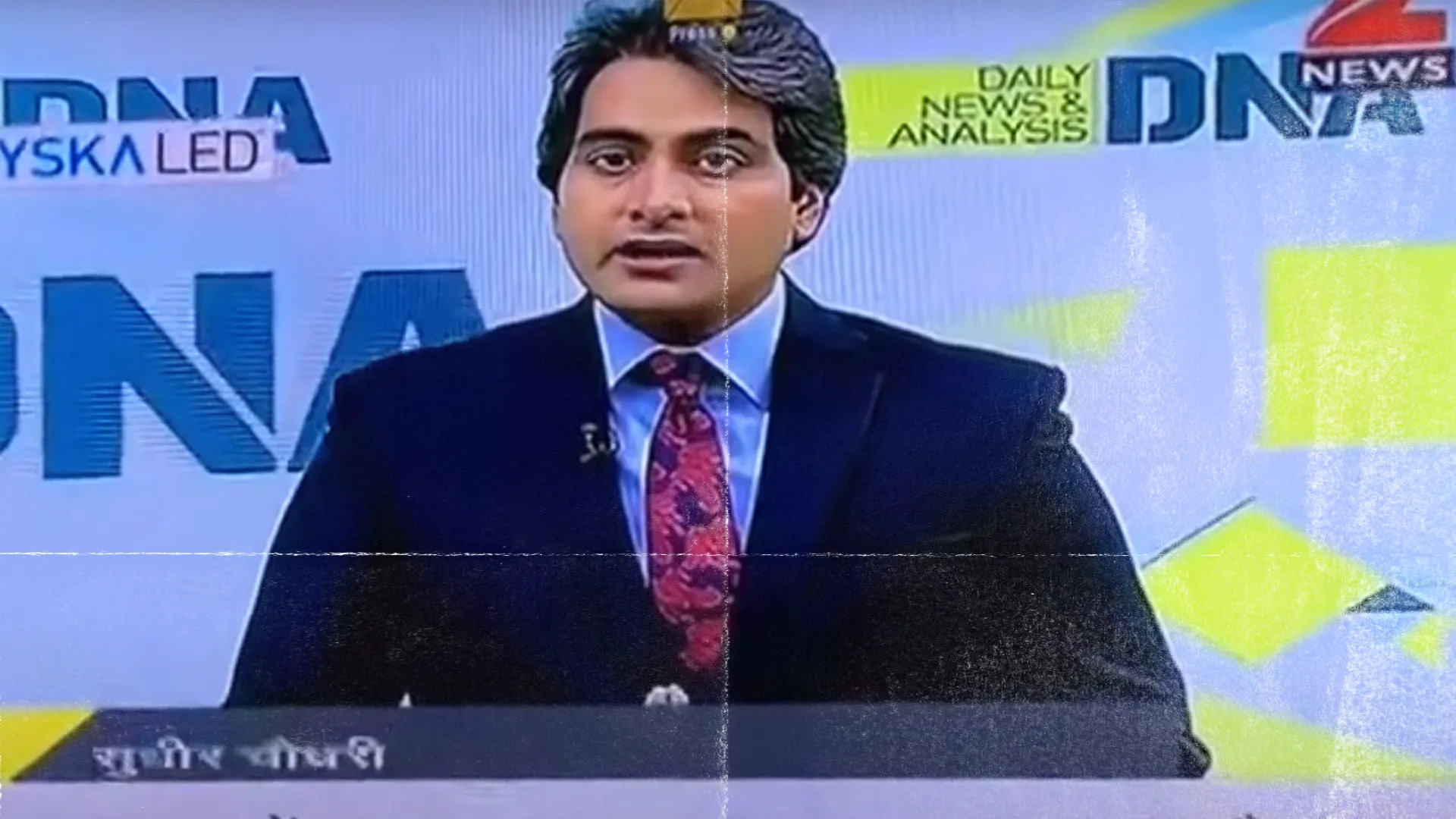
Air Seller
A narrative-led social experiment that transformed awareness into conversation through a simple but powerful story.
Insight: It demonstrates how a strong narrative premise can create public attention and discussion without relying on heavy messaging.
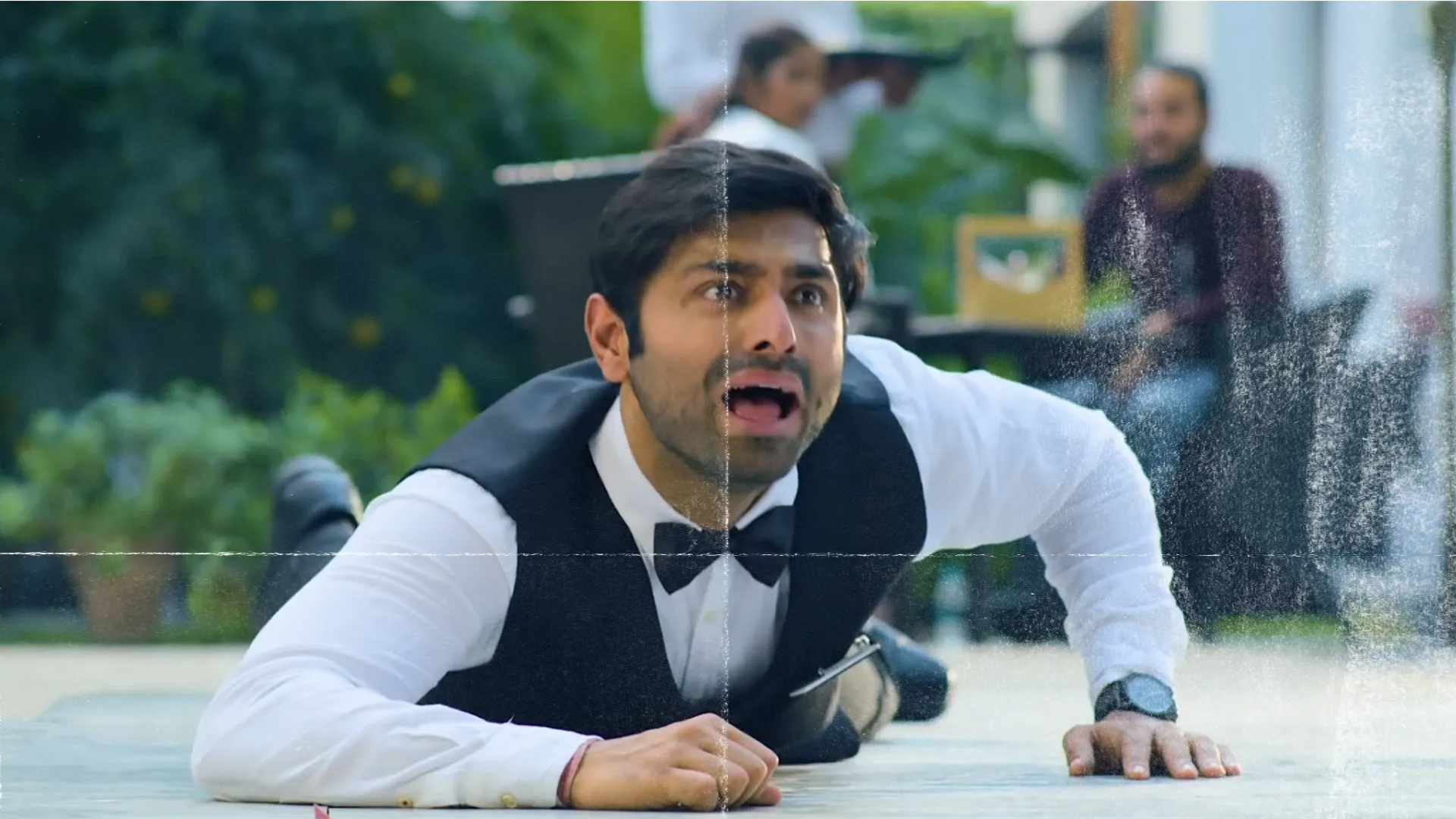
Time Bomb
A campaign built around anticipation, tension, and emotional payoff.
Insight: This is the same structural logic that powers successful VMD cliffhangers and episode-to-episode continuation.
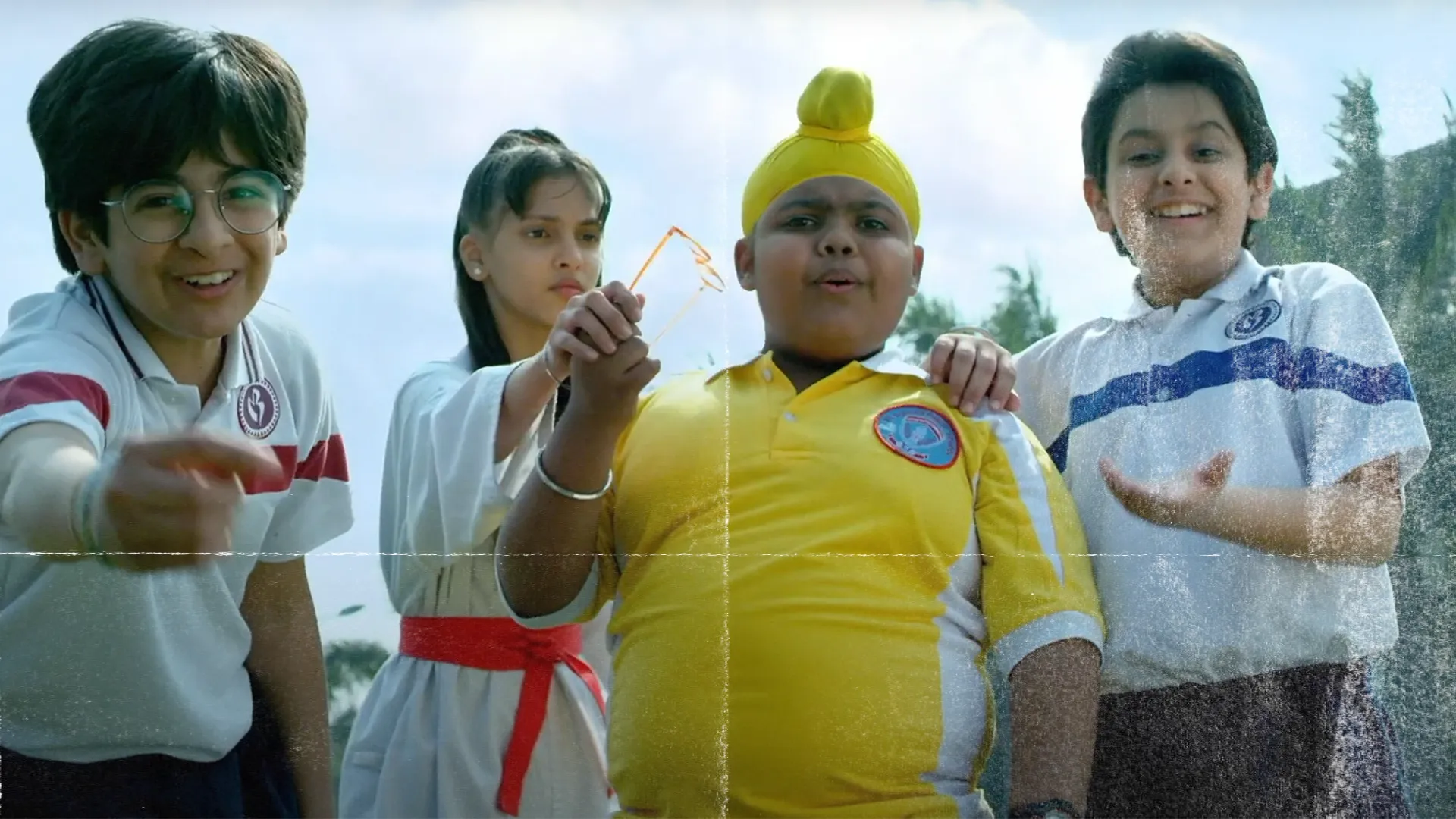
Fikar Not
A character-led branded entertainment property that used recurring storytelling to build brand recall.
Insight: It shows how recurring characters and familiarity can make branded storytelling more memorable than one-off campaigns.
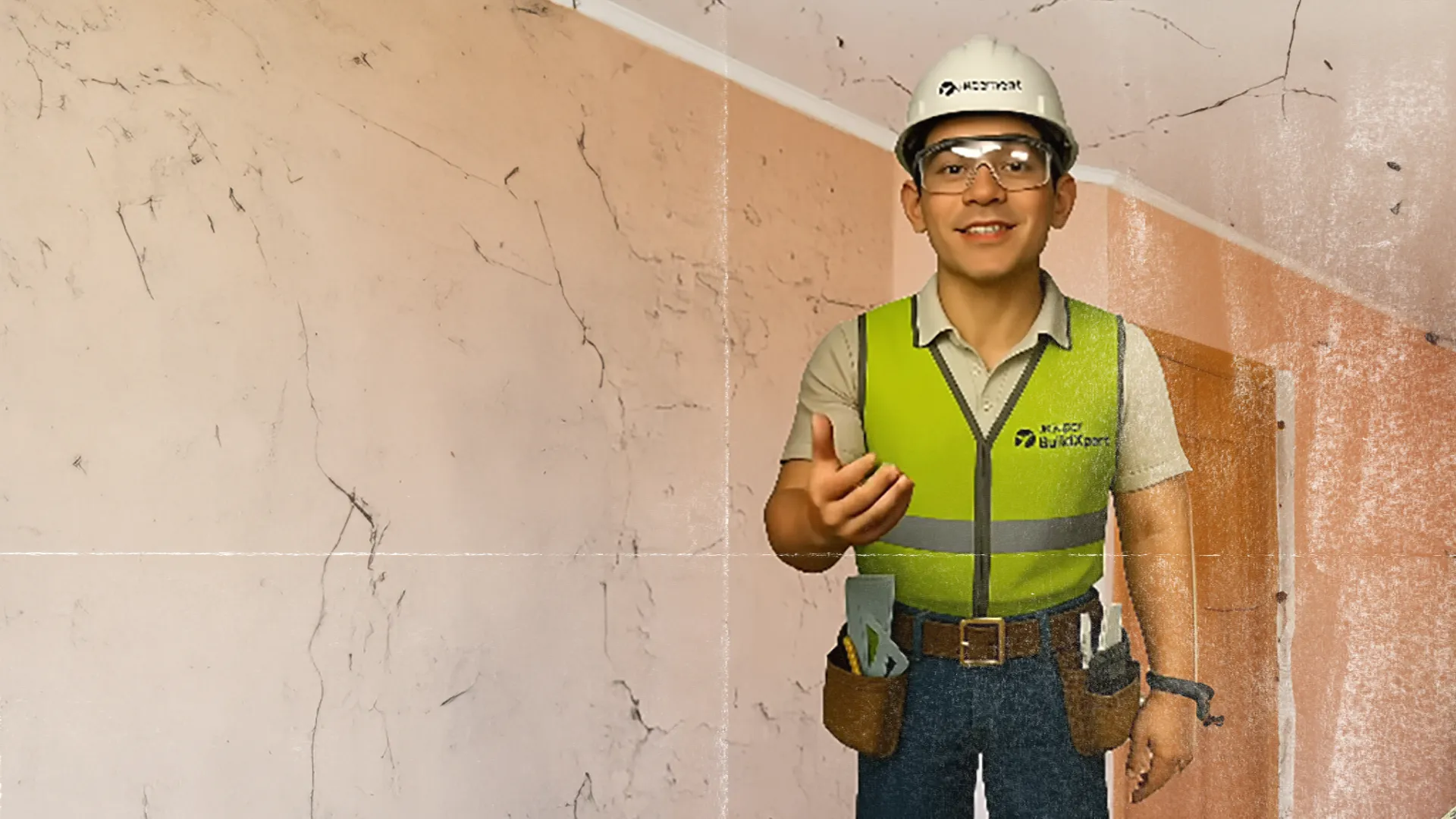
Yeh Pucca Hai
A narrative campaign demonstrating how character-first communication can outperform product-first messaging.
Insight: It reinforces the idea that audiences respond more deeply to stories than to direct explanation.
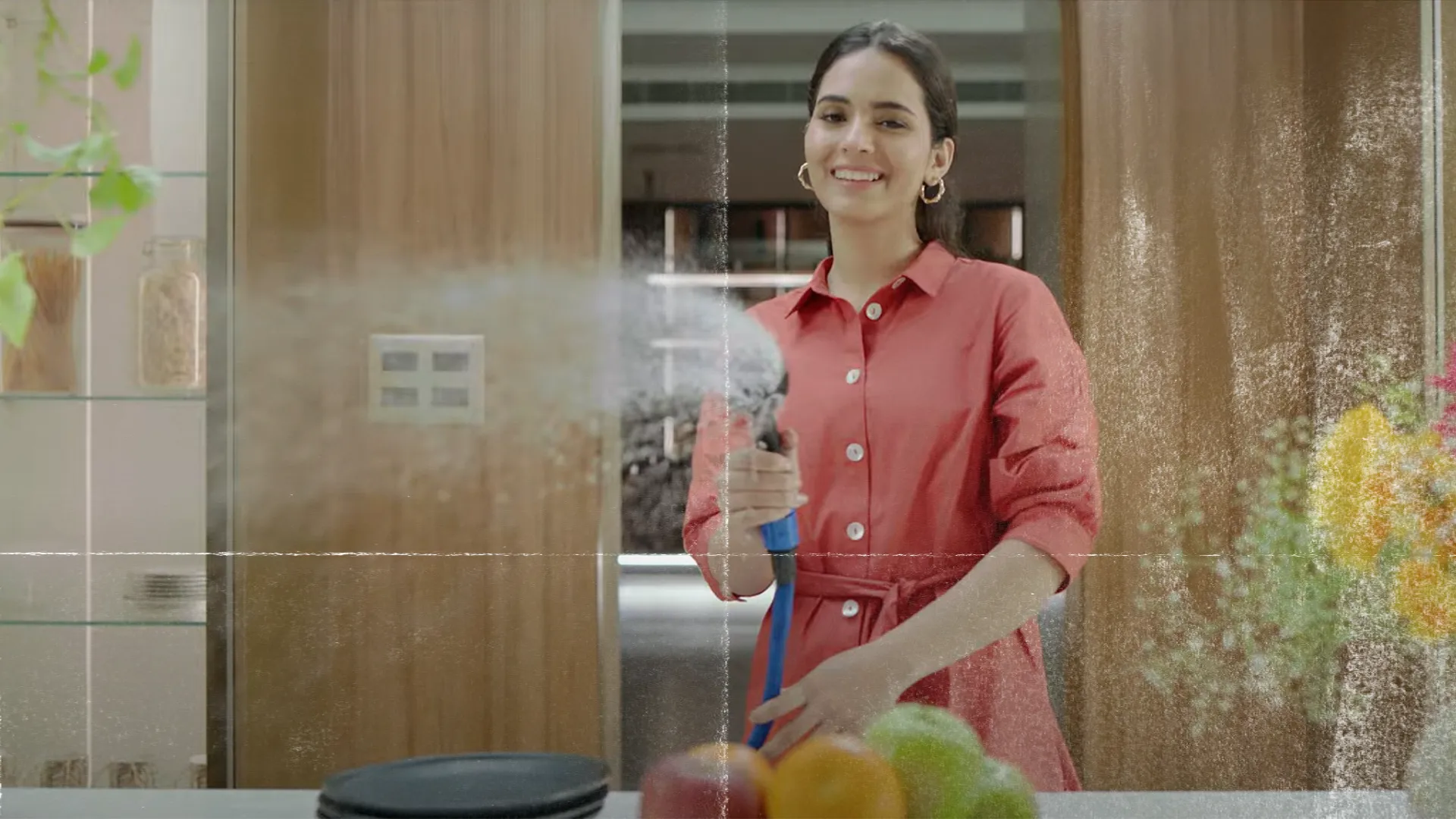
World's Strongest Kitchens
A storytelling-led campaign built around aspiration, emotion, and audience connection.
Insight: It highlights how narrative framing can elevate a campaign beyond utility and into emotional association.
Target Scope
Who should consider VMD Production?
Brands
Build stronger audience relationships through story-driven content rather than traditional advertising.
OTT Platforms
Expand content libraries with highly consumable episodic formats designed for mobile audiences.
Publishers & Media
Increase repeat visits and audience retention through serialised storytelling.
Startups
Explain products, behaviours, and complex ideas through narrative instead of direct promotion.
Creators & IP Owners
Develop original story worlds and monetisable content properties across multiple platforms.
Social Impact Groups
Drive awareness and behaviour change using storytelling rather than awareness campaigns alone.
Production Pipeline
Vertical Micro Drama Production Services
Concept Development
Original concepts, story worlds, character journeys, and season architecture. This is where the narrative logic of the series is built, including what makes the audience curious enough to return.
A strong concept does more than sound interesting. It creates a story system capable of sustaining multiple episodes without losing momentum.
Scriptwriting
Episode design, narrative pacing, cliffhanger construction, and retention-focused storytelling. Scriptwriting for VMD is not simply shorter writing. It is a different narrative discipline shaped by mobile behaviour and continuation logic.
Every episode has to do precise work: deepen character, escalate stakes, and create a reason to keep watching.
Casting & Pre-Production
Talent discovery, character styling, locations, production planning, and scheduling. In VMD, casting and preparation influence retention as much as visual quality because character believability and clarity matter immediately.
The pre-production process is where narrative ambition is aligned with practical production realities.
Vertical Production (9:16)
Purpose-built 9:16 production designed specifically for mobile consumption. Framing, pacing, performance, and visual composition are all approached with mobile viewing behaviour in mind rather than adapted from traditional horizontal formats.
We frame specifically for vertical displays, creating a natural and immersive experience for mobile users.
Post-Production
Editing, sound design, subtitles, motion graphics, pacing optimisation, and platform delivery. The post-production phase is where retention rhythm is sharpened and platform-specific viewing behaviour is accounted for.
Rhythm and pacing are optimized for mobile viewers' rapid evaluation loops.
Launch Support
Episode sequencing, release planning, and future-season recommendations. This helps the series move beyond production delivery into a smarter audience and distribution strategy.
Every service is designed to support one larger goal: creating a Vertical Micro Drama people choose to return to, not just content they happen to scroll past.
Budgets & Costing
How Much Does VMD Production Cost?
The answer depends less on the format and more on the ambition of the story. Most projects do not begin with a full-scale season. Pilot formats are often used first to validate audience response before larger investments are made.
Production budgets are influenced by:
- Number of episodes
- Episode duration
- Cast size & talent requirements
- Number of shoot locations
- Production complexity
- Language adaptations
- Visual effects & post-production
A simple pilot season built around a strong story can often outperform a much larger production budget. That is why narrative strategy comes first and production scale comes second. Most successful Vertical Micro Drama projects begin with a pilot season, audience validation, and then expansion into larger episodic properties.
Work Workflow
Our Production Process
Discovery
Understanding audiences, objectives, platforms, and creative opportunities.
Story Development
Building concepts, characters, episode structures, and season frameworks.
Pre-Production
Casting, locations, planning, logistics, and approvals.
Production
Capturing content specifically designed for vertical viewing.
Post-Production
Editing, optimisation, delivery, and platform preparation.
Launch Planning
Publishing recommendations and future-season strategy.
Answers
Frequently Asked Questions
Let's Build
Something Real.
Ready to develop a habit-forming storytelling format for your brand? JUJU is a Delhi NCR and Mumbai-based Vertical Micro Drama Production House in India. Let's collaborate.